Drywall Repair Crack Causes and Water Damage
Drywall cracks often stem from normal house settling, temperature fluctuations, or structural movement, and most appear along seams or at stress points like door corners. Truss uplift in attics creates seasonal ceiling cracks that open in winter and close in summer. Humidity changes cause tape joints to buckle, while poor original taping leads to straight-line cracks years later. Prevention starts during construction: using 5/8-inch drywall on ceilings, proper fastening (screws every 12 inches), and setting-type compound instead of drying-type. Homeowners can minimize future drywall crack problems by maintaining 40–50% indoor humidity, avoiding slamming doors, and installing control joints every 30 feet in large rooms. For existing homes, flexible caulk (like Alex Plus) works better than rigid compound on corners prone to movement. Understanding these causes helps distinguish harmless shrinkage cracks from serious foundation issues requiring professional evaluation.
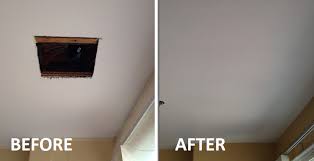
How to Repair Drywall Crack Permanently
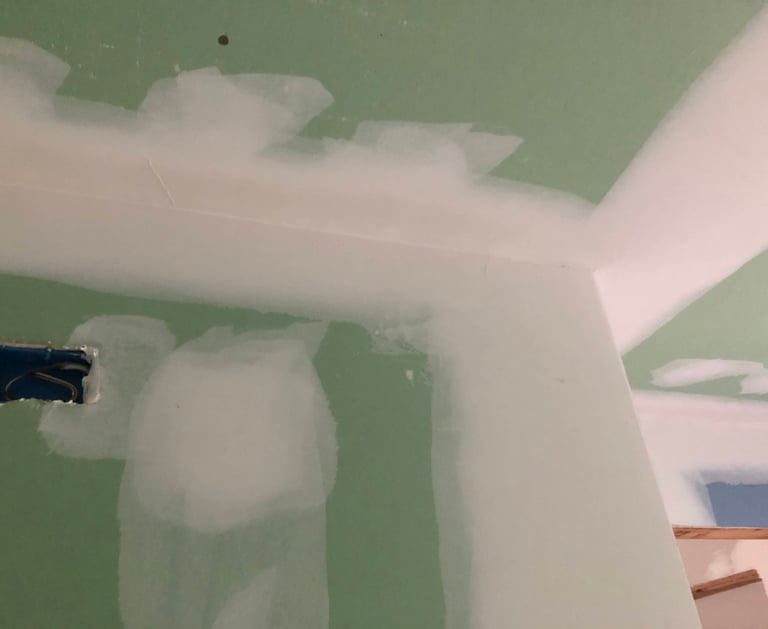
To permanently repair a drywall crack, treat it as a moving joint rather than a static seam. Widen the crack slightly with a utility knife, vacuum dust, then embed fiberglass mesh tape (not paper) across the entire length. Apply setting-type 90-minute compound in thin layers, feathering 12–18 inches beyond the crack. After the first coat hardens, add two more coats with progressively wider knives. For recurring ceiling cracks from truss uplift, use a flexible elastomeric patch or install a floating corner system. Sand lightly with 220-grit, prime, then texture-match. The key to permanent repair is allowing movement—rigid fixes always re-crack. Many pros now use Big Stretch caulk or MeshTape with elastomeric compound for guaranteed 10+ year results on problem areas.
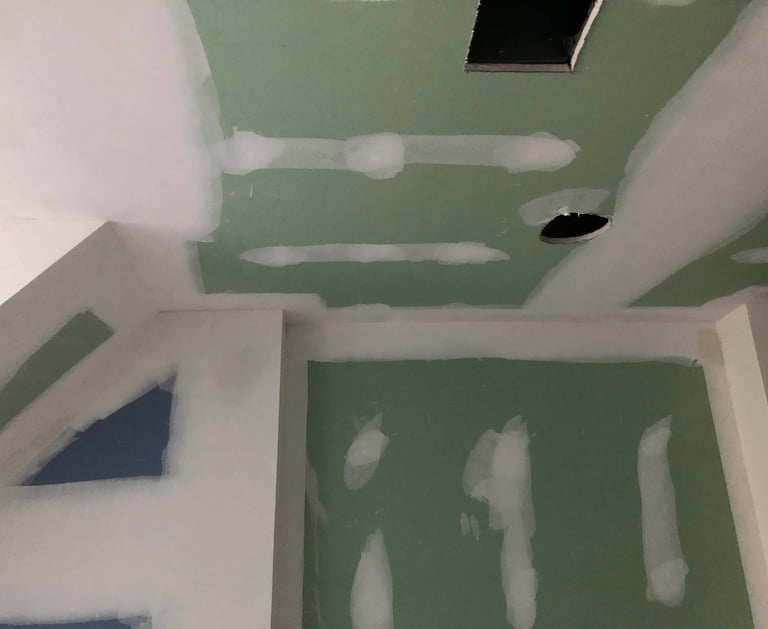
When to Worry About a Drywall Crack
Not every drywall crack signals disaster, but specific patterns demand immediate attention. Cracks wider than 1/8 inch, diagonal cracks running from corners, or stepped cracks following mortar joints often indicate foundation settlement—call a structural engineer. Horizontal cracks at wall-ceiling junctions can mean truss uplift or overloaded attic storage. Multiple radiating cracks around windows suggest framing issues. Seasonal cracks that open and close predictably are usually harmless. Small hairline cracks along taped seams are cosmetic and common in homes under five years old. When in doubt, monitor with a pencil mark and date; rapid widening needs professional assessment. Knowing when to worry about a drywall crack prevents minor cosmetic fixes from becoming $20,000 foundation repairs.
Help
Tips and tricks for drywall crack repair
Contact
contact@drywallcrack.com